What Is a Board Game Cafe?
Seoul has a cafe for every mood, and one of its favourite moods is to sit down, roll some dice and stay for hours. The board game cafe (보드게임카페) is where Koreans of every age go to unwind. Students, couples, families, work colleagues avoiding the office.
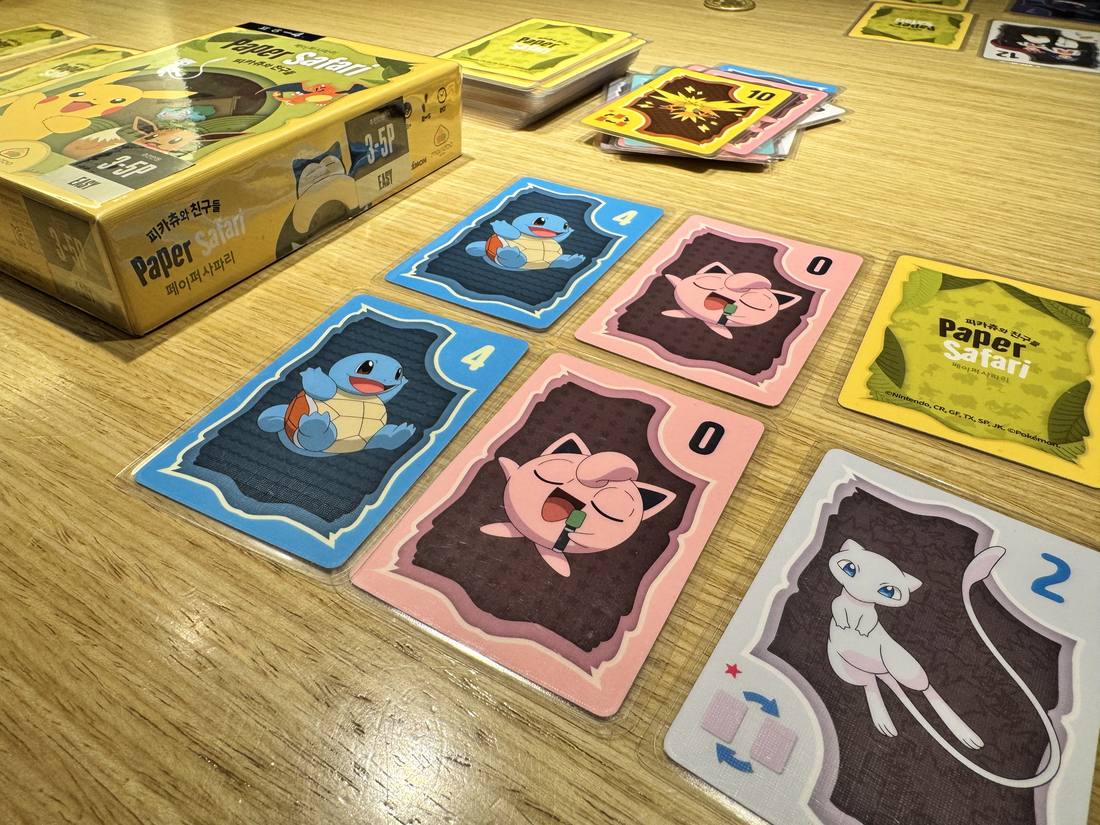
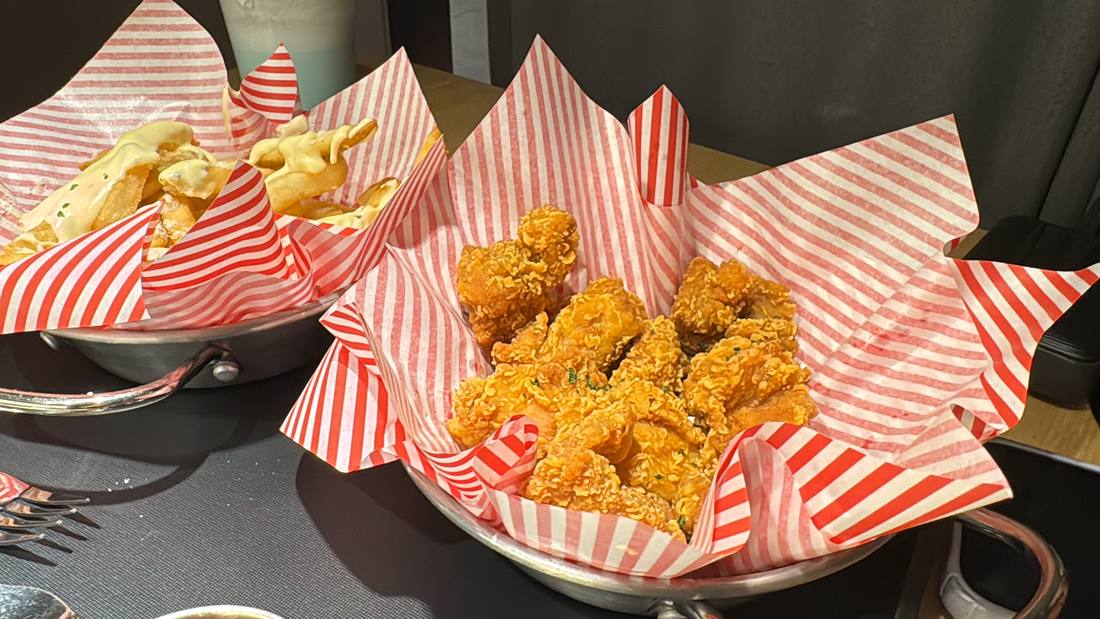
Korea can fairly claim to have invented the format. Paper Cafe opened in Sillim-dong in 2002, founded by a former professional gamer, and the pay-for-time model it pioneered spread from there across the country and eventually the world.
The idea is simple. You pay for time rather than just for drinks, and in return you get the run of a library that often runs to several hundred boxes. Some of those games take five minutes. Others will eat your entire afternoon, and one or two of them may cost you a friendship.
It also helps that Seoul's weather is uncooperative for a good half of the year. A board game cafe is a reliable indoor evening.
You won't need much Korean. Staff are used to helping people choose, and most cafes keep rules videos on a tablet at the table.
Not All Cafes Are the Same
Choosing the right cafe matters more than choosing the right game. A few rough types:
What to Expect When You Arrive
Walking in. On weekdays and during the day you can usually just turn up. Weekend evenings are the busy period and you may have to wait for a table, so go earlier in the afternoon if you can. Larger groups should ring ahead, often a day or more in advance.
Shoes. Some cafes will hand you slippers at the door. Many also have floor seating (좌식, jwa-sik), with low tables and cushions. It is comfortable to sit at and rather less comfortable to stand up from three hours later.
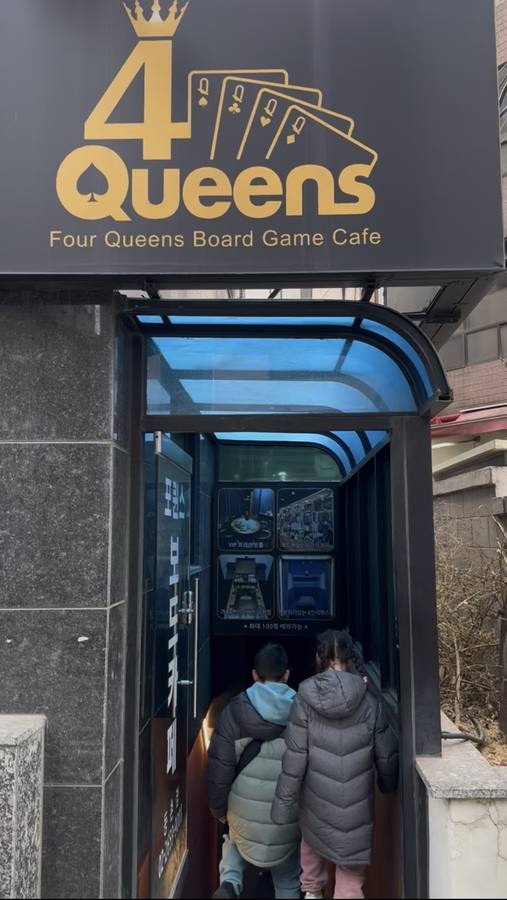
Ordering. Most cafes ask for one item per person, usually a drink. Expect the standard cafe menu at around ₩3,000 to ₩6,000, often with ramen and snacks alongside it, and beer in some places. Many tables have a button to call staff over. Press it as often as you need to. It is not a test of character.
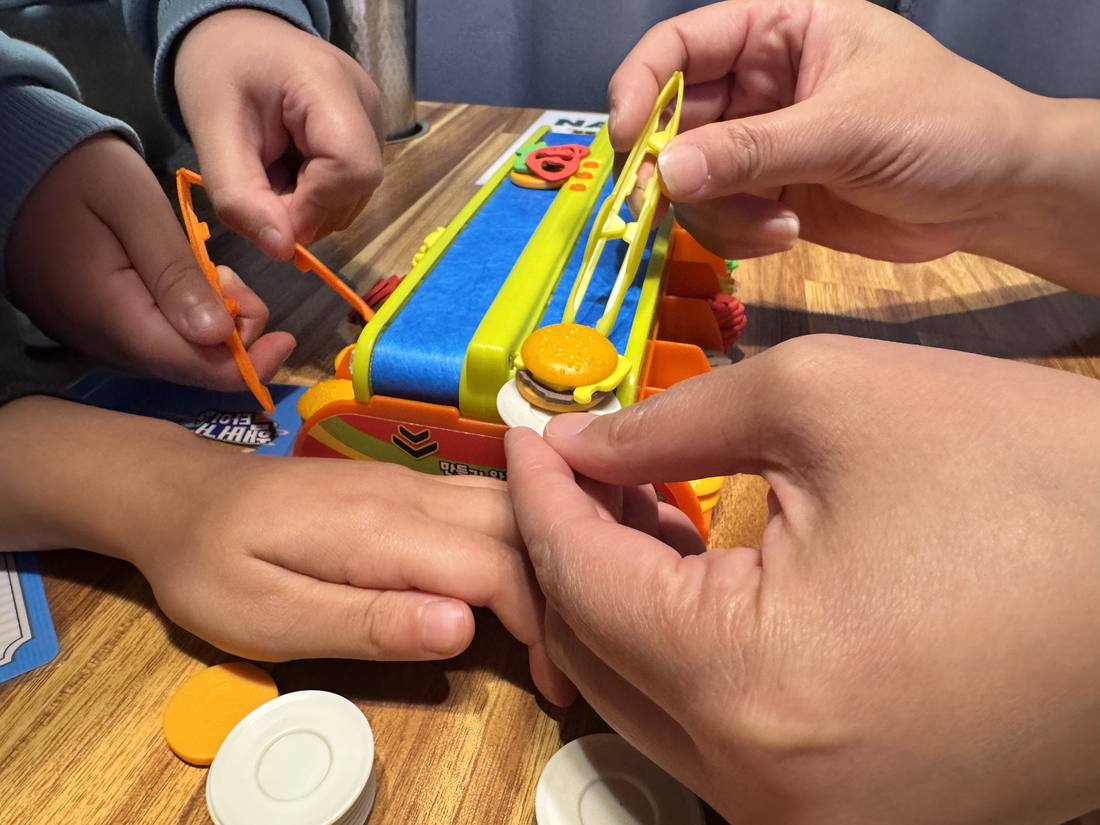
Paying for time. Cafes charge per person, per hour, typically ₩2,000 to ₩3,000 depending on the location. Many also offer an unlimited-time rate, which works out cheaper if you intend to settle in properly. Ask when you sit down. You pay on the way out.
Getting games. Browse the catalogue, usually on a tablet at your table. Depending on the cafe you will either collect the box from the shelves yourself or ask staff to bring it over. The custom is one game at a time. When you've finished, take the box back to the counter or the return area so staff can check the pieces before it goes back on the shelf, then choose your next one.
Etiquette & Tips
Be careful with the cards. Riffle-shuffling, and bending cards the way poker players do, is the quickest way to wreck a shared deck. Cafe owners complain about it more than anything else. Shuffle gently. These cards have seen things.
Sweep the table before you return a box. A missing meeple is a genuine nuisance for whoever plays next.
Return games to the counter. Don't reshelve them yourself. Staff check each box before it goes back out.
Say if you're new. If nobody in your group has played anything more complicated than Uno, tell the staff. It is the fastest route to a game you'll actually enjoy.
Think about how long you have. A three-hour strategy game is a poor choice if you mainly came to talk. Save the big box for a night you have planned around it.
Staff can't know every game. They'll teach the popular titles happily enough, but not all several hundred on the shelves. If you have your heart set on something heavy or obscure, read the rules before you arrive.
Use your camera. If a card is in Korean, camera translation in the Naver or Google apps handles it well.
A Few Useful Phrases
You can get through a whole session without a word of Korean. But a little effort goes a long way, and the staff will appreciate it.
Getting a table
| English | Korean | Say it like |
|---|---|---|
| We have two people | 두 명이에요 | du myeong-i-e-yo |
| We have three people | 세 명이에요 | se myeong-i-e-yo |
| We have four people | 네 명이에요 | ne myeong-i-e-yo |
| We have five people | 다섯 명이에요 | da-seot myeong-i-e-yo |
| We don't have a reservation | 예약 안 했어요 | ye-yak an hae-sseo-yo |
Time and games
| English | Korean | Say it like |
|---|---|---|
| We'd like two hours | 두 시간 하고 싶어요 | du si-gan ha-go si-peo-yo |
| We'd like three hours | 세 시간 하고 싶어요 | se si-gan ha-go si-peo-yo |
| Can we see the game list? | 게임 메뉴 볼 수 있어요? | ge-im me-nyu bol su i-sseo-yo? |
| We'd like to play this game | 이 게임 하고 싶어요 | i ge-im ha-go si-peo-yo |
| Could you explain this game? | 이 게임 설명해 주세요 | i ge-im seol-myeong-hae ju-se-yo |
Wrapping up
| English | Korean | Say it like |
|---|---|---|
| Can we extend our time? | 시간 연장할 수 있어요? | si-gan yeon-jang-hal su i-sseo-yo? |
| The bill, please | 계산해 주세요 | gye-san-hae ju-se-yo |
| That was fun! | 재미있었어요! | jae-mi-i-sseo-sseo-yo! |
On pronunciation: Korean gives each syllable roughly equal weight, so resist the urge to stress one over the others. Say it flat and say it with some confidence, and you'll be understood.
Find a Cafe: Our Seoul Map
We've mapped more than 150 board game cafes across Seoul in a single Naver Maps collection. Wherever you happen to be staying, there should be somewhere nearby that suits your group and the kind of games you want to play.
You'll need the free Naver Maps app to open it, on iOS or Android. Download it anyway. Naver is what locals actually use, so it tends to be updated more often and is generally more reliable than Google Maps for getting about in Korea.